CTFAS & REACH24H Regulatory Forum 2026 EVENT RECAP
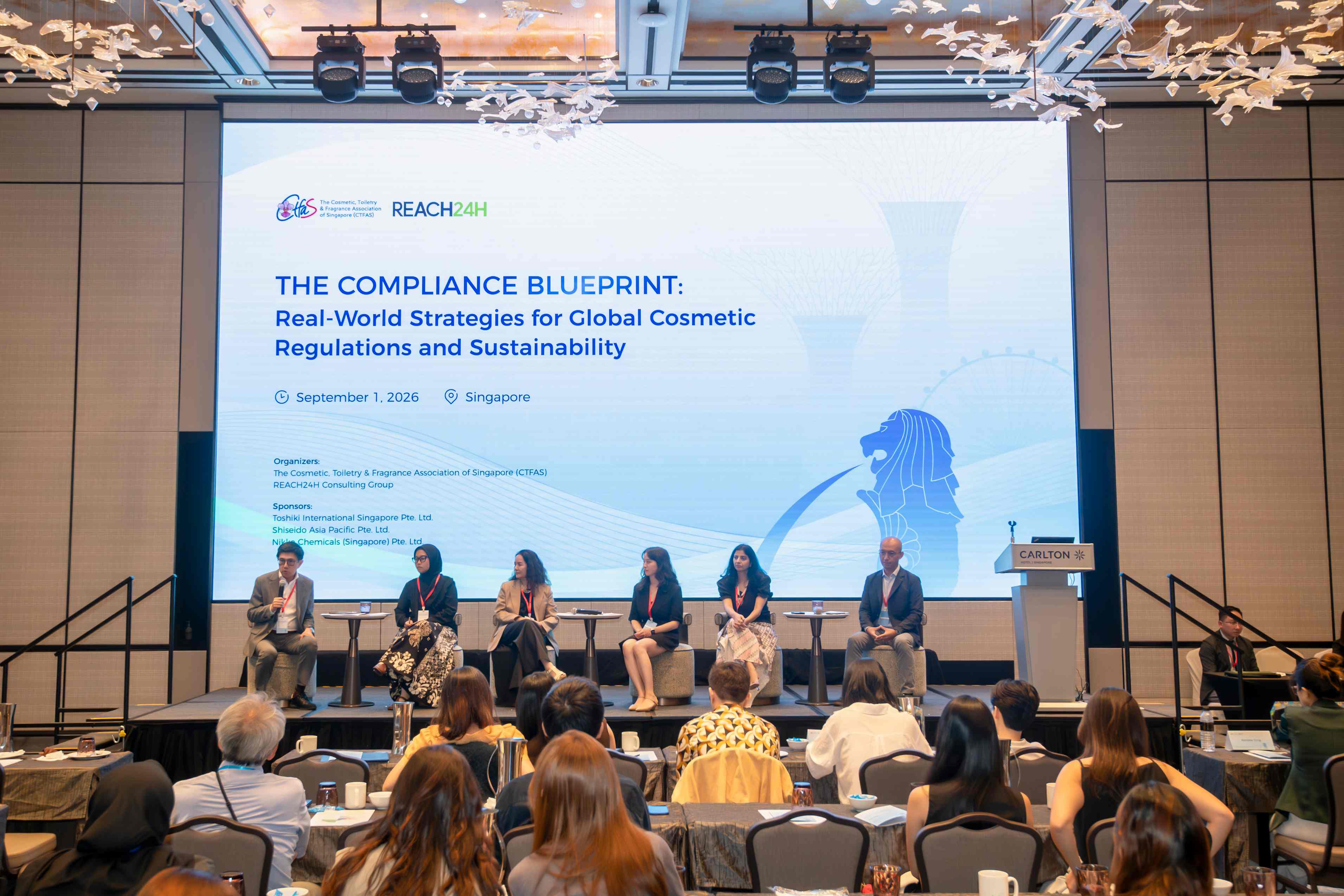
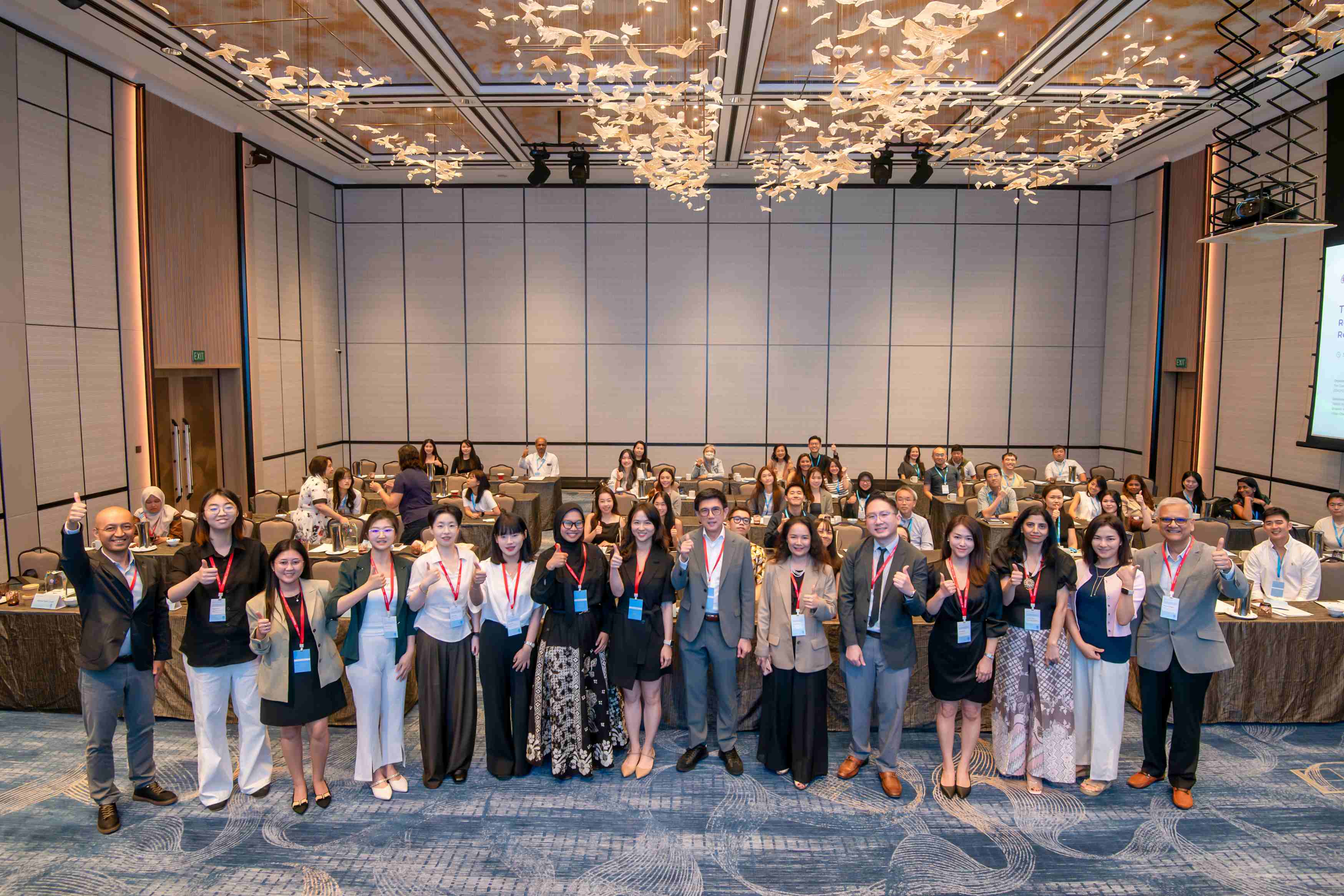
Singapore, September 1, 2026 — The Cosmetic, Toiletry & Fragrance Association of Singapore (CTFAS) and REACH24H Consulting Group jointly hosted the CTFAS & REACH24H Regulatory Forum 2026 at the Carlton Hotel in Singapore. Held under the theme "The Compliance Blueprint: Real-World Strategies for Global Cosmetic Regulations and Sustainability," the forum brought together regulatory experts and industry professionals to examine key regulatory developments shaping global cosmetics market access.
The forum featured perspectives from Southeast Asia, China, the European Union and other major markets, covering regulatory harmonization, halal certification, product safety, chemical compliance, labeling, claims substantiation and sustainability. A key message from the forum was that cosmetics compliance is moving beyond product-by-product assessments toward full-lifecycle management and an evidence-based approach. Market access increasingly depends on how companies manage formulations, ingredients, supply chains, packaging, consumer information and post-market responsibilities as an integrated system.
 |  |
Quick Navigation
Jump to the key sections of this article.
Responding to Regulatory Change Across Key Markets
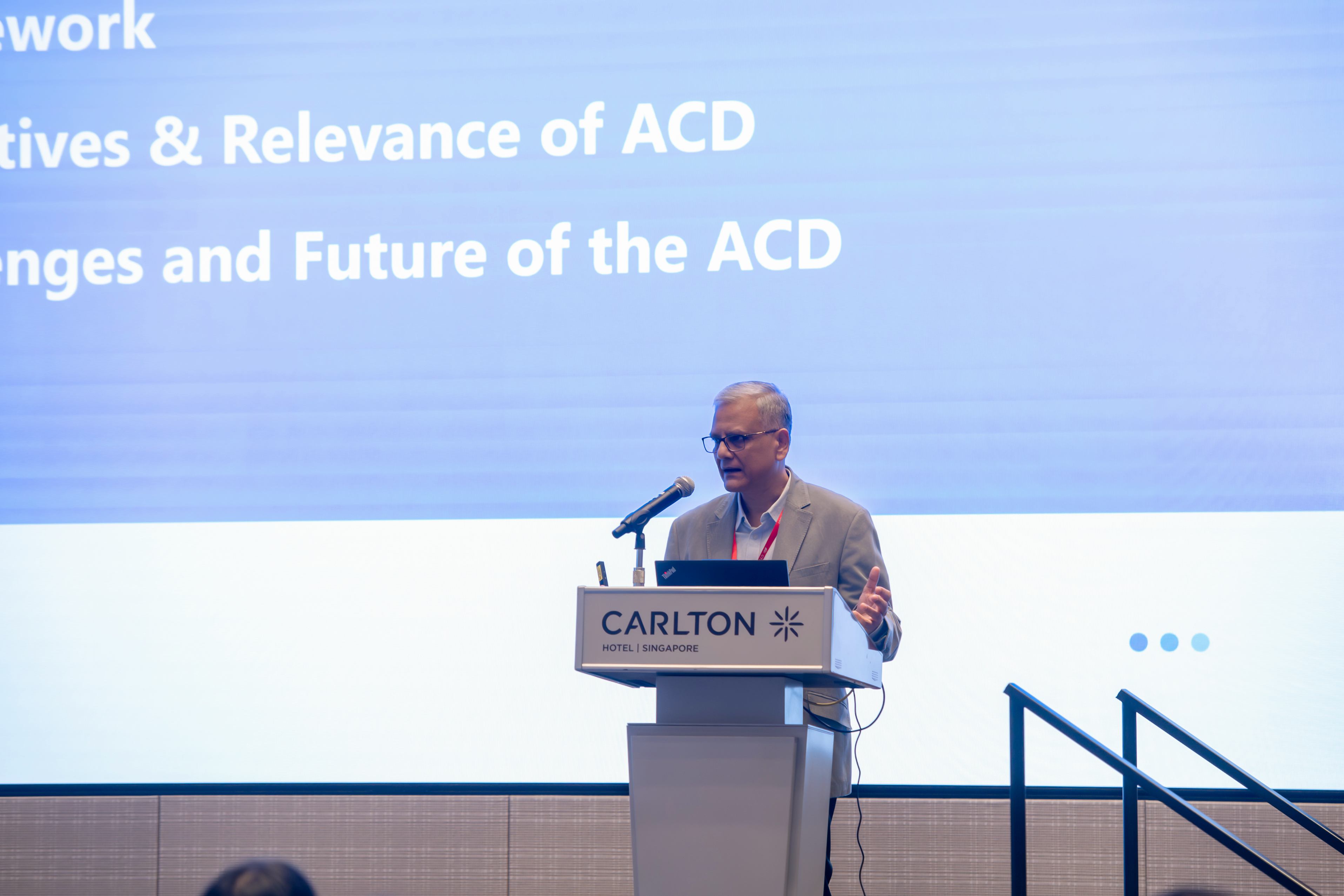
Dr. Bhashkar Mukerji of BSJ Consultants Private Limited, a Product Integrity Committee Lead at CTFAS, reviewed the ASEAN Cosmetic Directive (ACD), highlighting its role in establishing a common technical framework for cosmetic safety, ingredients, labeling, claims and product information. He noted that differences in national implementation, notification procedures, enforcement practices and borderline-product assessment continue to create challenges for companies operating across ASEAN. While the current Directive appears broadly fit for purpose, it may leave room for inconsistent interpretation among ASEAN Member States. This could result in country-specific requirements that undermine the harmonization objectives of the ASEAN Harmonized Cosmetic Regulatory Scheme (AHCRS).
Dr. Mukerji also considered whether ASEAN may eventually move beyond the current ACD toward a more binding regional legislative framework, while recognizing the need to account for differences in national legal systems, regulatory capacity and enforcement practices.
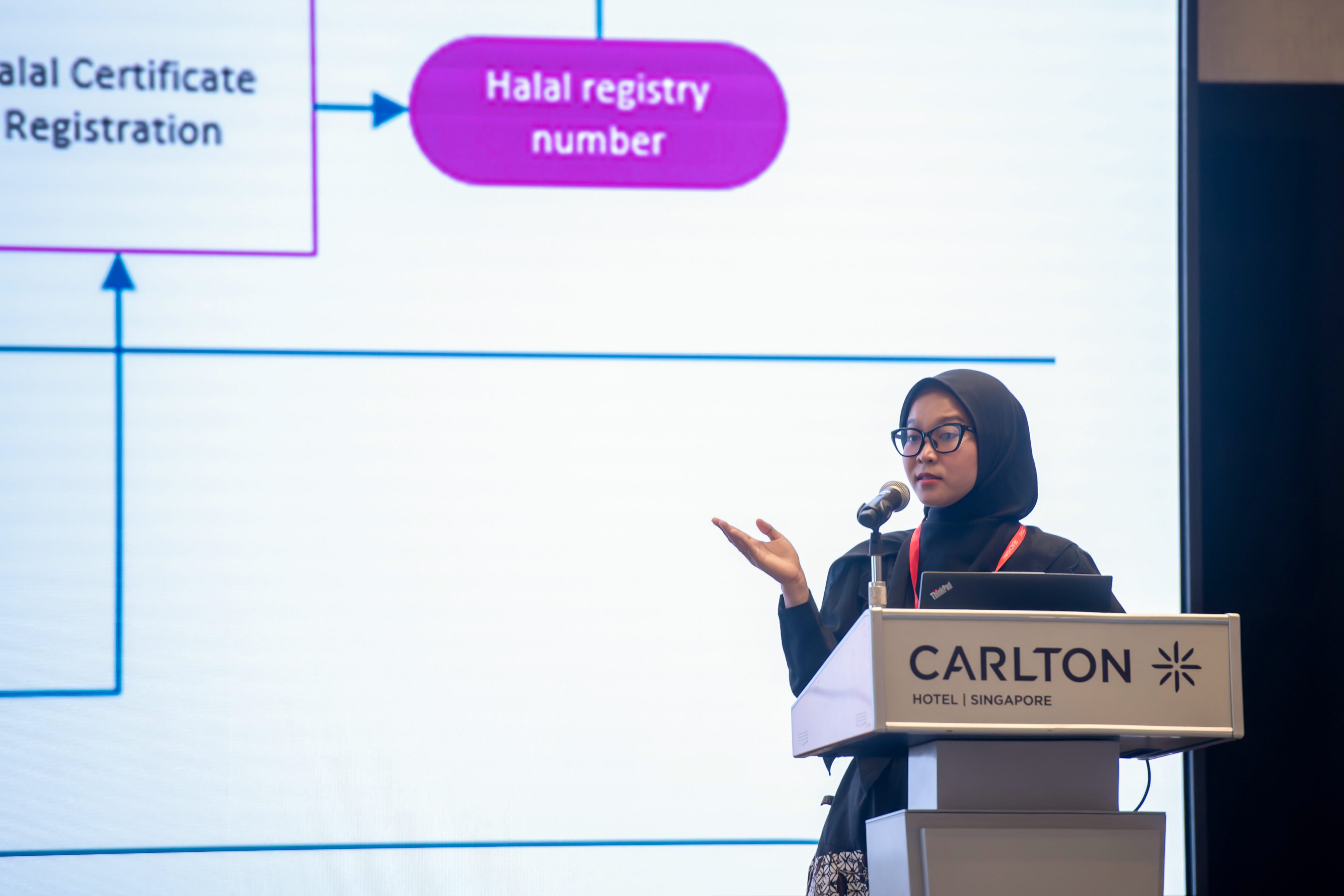
Ms. Pertiwi Putri Utami, International Halal Partner & Halal Auditor at the Assessment Institute for Foods, Drugs, and Cosmetics of the Indonesian Council of Ulama (LPPOM), addressed Indonesia's mandatory halal certification requirements.
Under Law No. 33 of 2014 on Halal Product Assurance and its implementing regulations, cosmetics circulating and traded in Indonesia will enter the mandatory halal certification phase on October 17, 2026. The requirements extend across raw materials, processing aids, production facilities, traceability and cross-contamination controls. Products containing non-halal materials must carry an appropriate non-halal statement, while companies must comply with the applicable halal certification requirements.
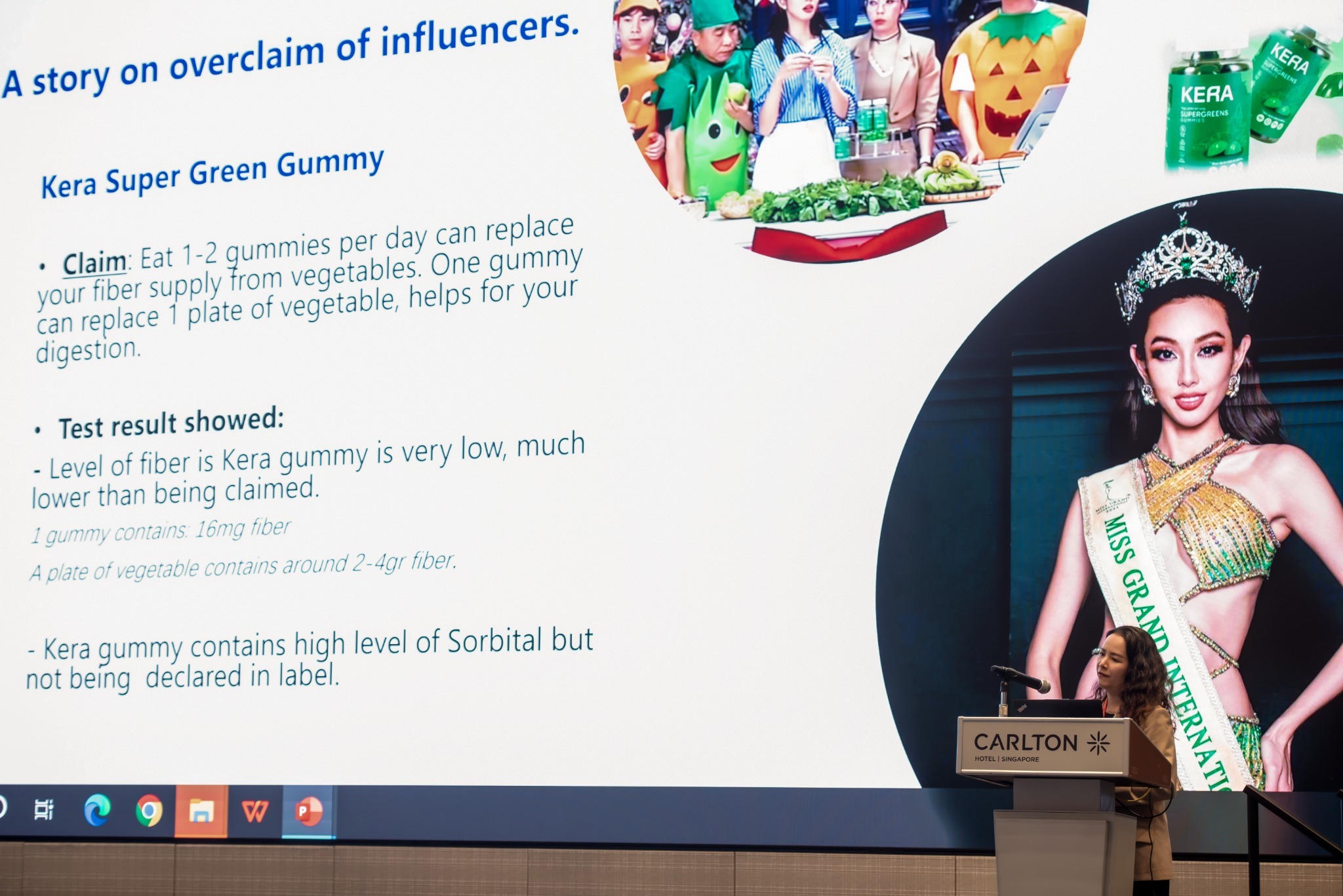
Ms. Tran Thi Phuong Mai, President of the ASEAN Cosmetic Association (ACA), presented Vietnam's evolving draft Cosmetic Decree, which proposes risk-based classification, differentiated notification reviews and stronger post-market surveillance.
The version dated August 13, 2026 remains under development and should not be treated as a final legal requirement. Proposed measures include additional notification documents, PIF audits, risk-based inspection priorities, expanded Vietnamese-language labeling and closer alignment between notified uses, labels and supporting Product Information File (PIF) evidence.
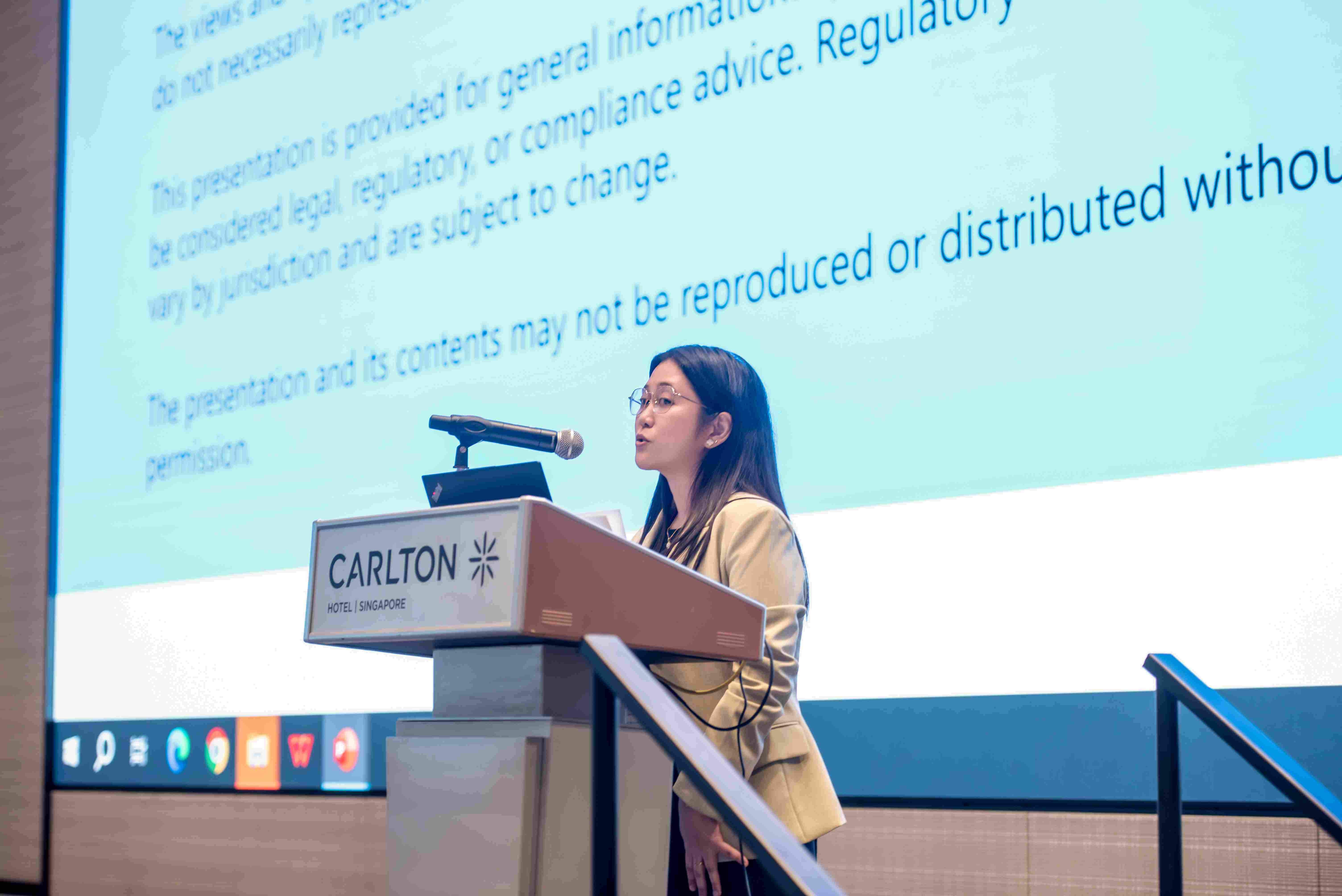
Clarizza (Clark) Manoop, Senior Manager of Regulatory Affairs & Product Safety (RAPS) at Givaudan, provided an overview of evolving chemical inventory regulations across the Asia-Pacific region. She highlighted that national inventory systems and new-substance management frameworks differ significantly across jurisdictions, particularly in their notification, registration, data and use requirements.
The session emphasized that chemical compliance in APAC requires more than confirming whether a substance is listed on a national inventory. Companies must also assess substance identity, intended use, volume thresholds, local notification or registration obligations, responsible entities and supply-chain documentation. Early regulatory screening and coordinated data management can help companies identify market-access risks and prepare for changing requirements.
Key Regulatory Developments in China and the EU
Nichole Ding, Cosmetic Business Supervisor at REACH24H Consulting Group, reviewed China's latest regulatory changes, including the expanded scope of animal-testing exemptions under NMPA Announcement No. 70 of 2026, effective July 29, 2026.
The changes remain subject to specific conditions, and children's cosmetics and most special cosmetics remain outside the exemption scope. The session also emphasized the importance of integrating safety assessment earlier into product development and maintaining reliable, inspection-ready evidence.

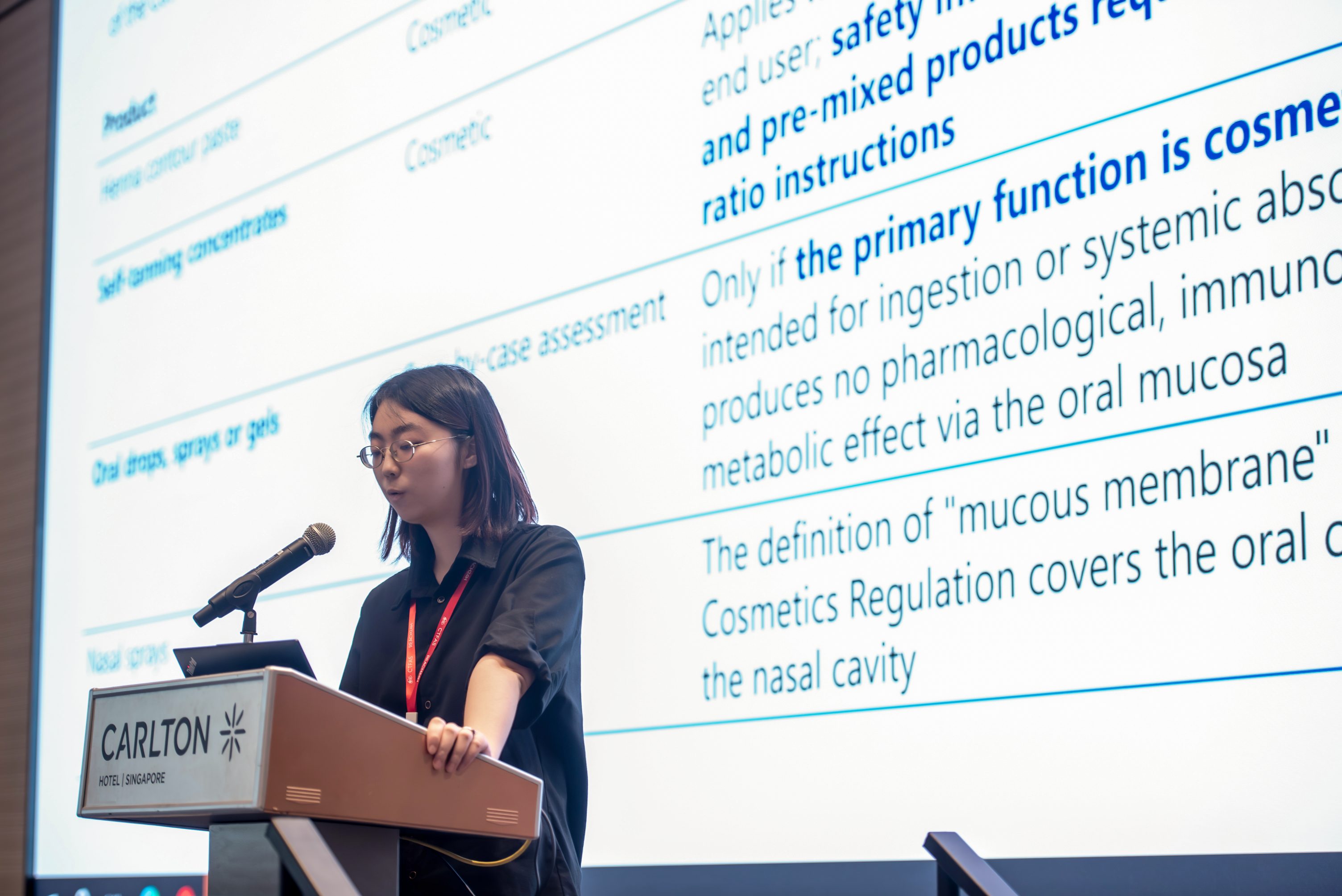
Hazel Zhou, Senior Cosmetic Regulatory Technical Engineer at REACH24H Consulting Group, reviewed recent developments in EU cosmetics regulations, including expanded fragrance allergen labeling obligations applying from July 31, 2026, with transitional arrangements for products already placed on the market through July 31, 2028.
She also discussed the formaldehyde warning requirement for applicable products, as well as evolving controls on PFAS, synthetic polymer microparticles and cyclic siloxanes. The session further examined packaging sustainability obligations under the EU Packaging and Packaging Waste Regulation (PPWR), highlighting the need for companies to review product labels, formulations and packaging data in advance.
From Chemical Compliance to Sustainability Readiness
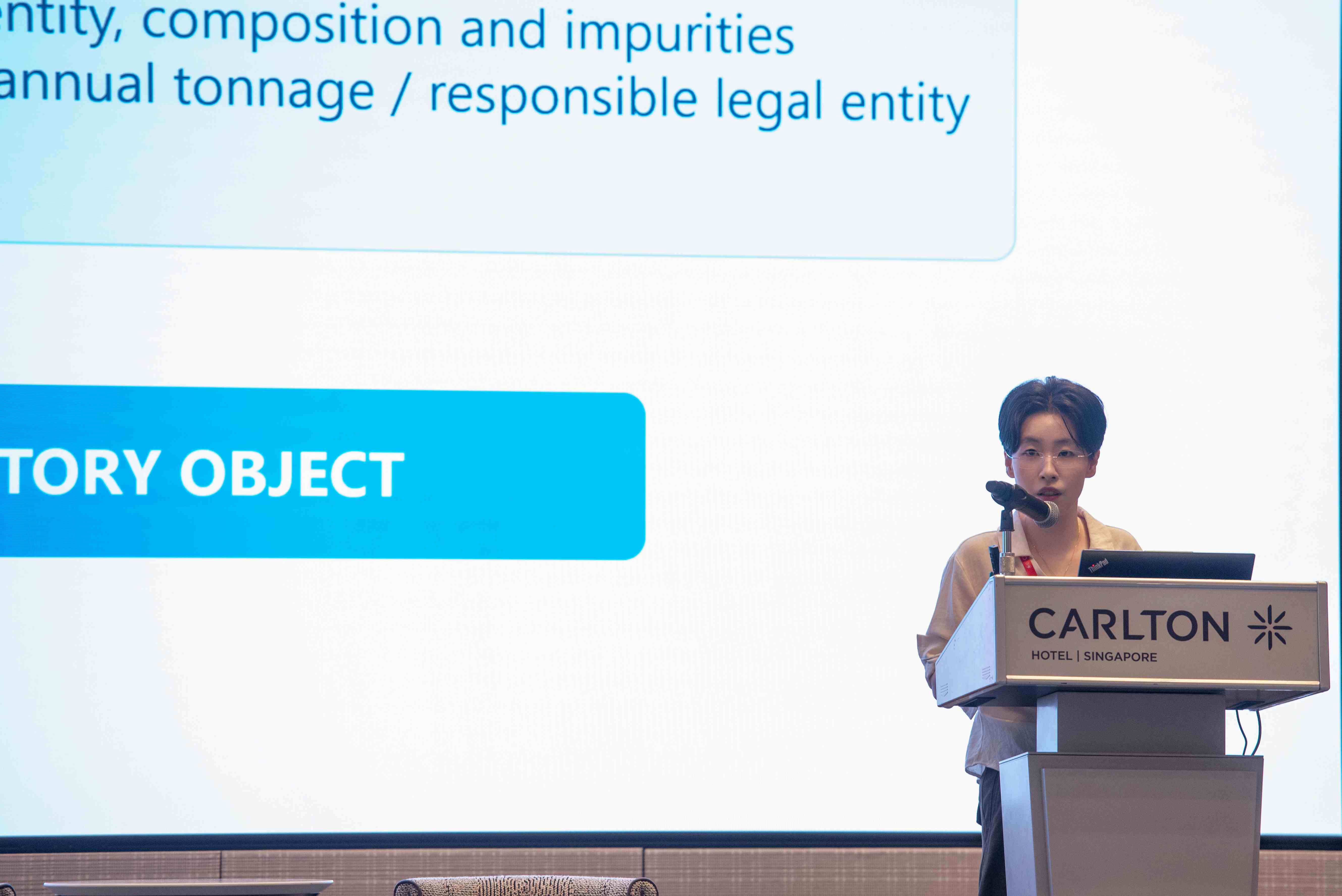
Eden Ding, Senior Chemical Regulatory Technical Engineer at REACH24H Consulting Group, highlighted the growing importance of REACH-like chemical regulations in determining cosmetic ingredient market access.
While the EU REACH framework remains an important reference point, regulatory requirements differ across jurisdictions, including the United Kingdom, Türkiye, Ukraine, South Korea and Brazil. Compliance or registration in one jurisdiction does not automatically establish compliance in another.
Companies therefore need to map ingredients against their target markets, clarify applicable regulatory pathways and responsible entities, and maintain traceable evidence across suppliers, importers, formulators and Responsible Persons. Key milestones discussed included Türkiye's September 30, 2026 deadline for Inventory and Chemicals Registration (ITR) and Ukraine's January 26, 2027 pre-registration deadline.
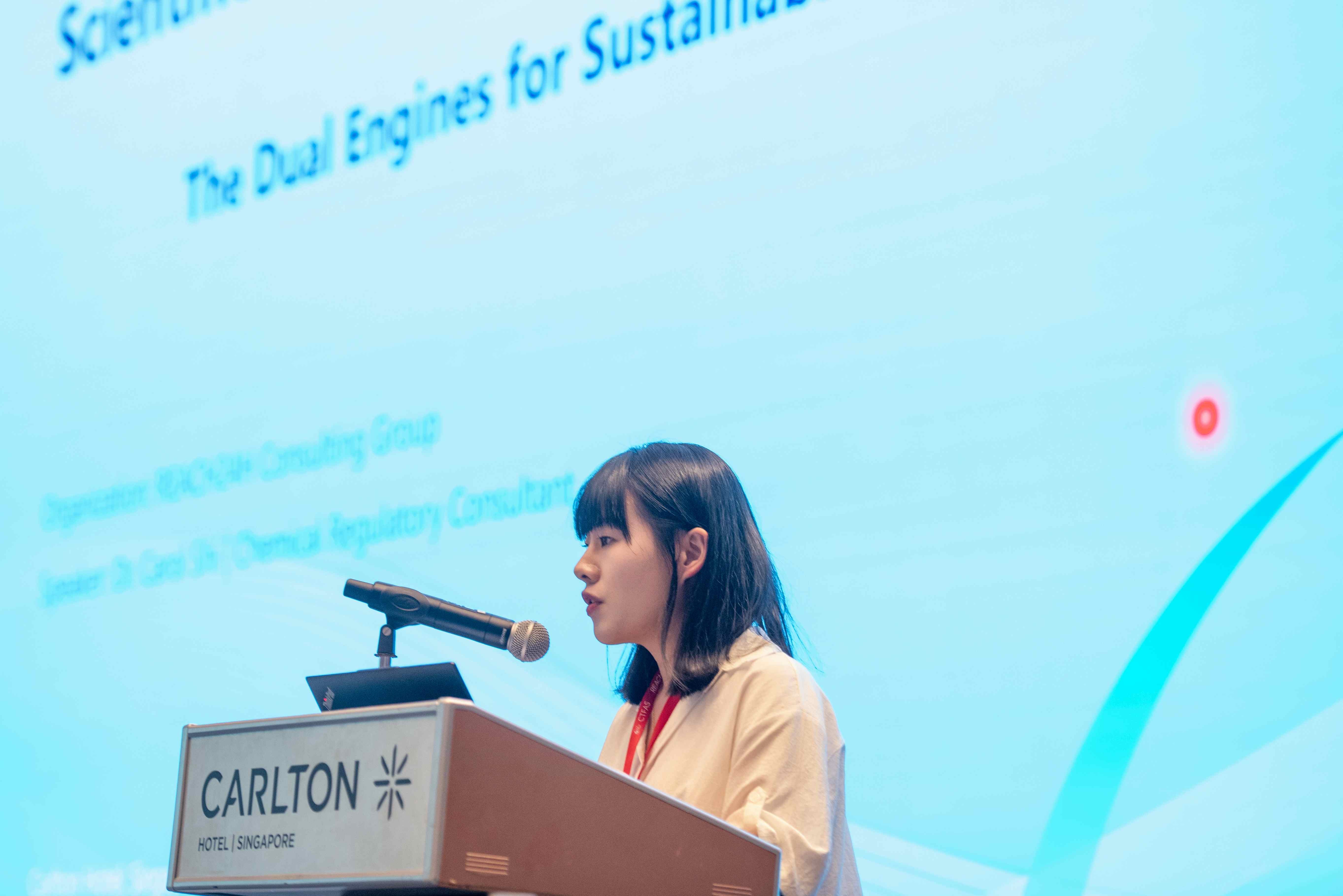
Dr. Carol Shi, Senior Chemical Regulatory Technical Engineer at REACH24H Consulting Group, emphasized that sustainability in cosmetics is moving from voluntary brand messaging toward measurable, evidence-based and verifiable performance.
She highlighted Life Cycle Assessment (LCA) as a system-level approach for evaluating climate, resource use, supply chains, circularity and chemical impacts across a product's lifecycle. By identifying product-specific environmental hotspots, companies can prioritize improvements in formulation, sourcing, packaging and product use.
Dr. Shi also discussed voluntary schemes such as EWG Verified® and the EU Ecolabel, which can support credible consumer communication while complementing, rather than replacing, mandatory legal compliance. With the EU PPWR becoming generally applicable from August 12, 2026, packaging data, recyclability, recycled content, labeling and circular design are becoming increasingly important elements of packaging regulatory readiness.
Related Insight: EU PPWR for Cosmetic Packaging
For a closer look at the PPWR topic covered in Dr. Carol Shi's presentation, explore our dedicated guide to preparing cosmetic packaging for EU PPWR compliance.
Panel Discussion: The Next Phase of Cosmetics Regulation
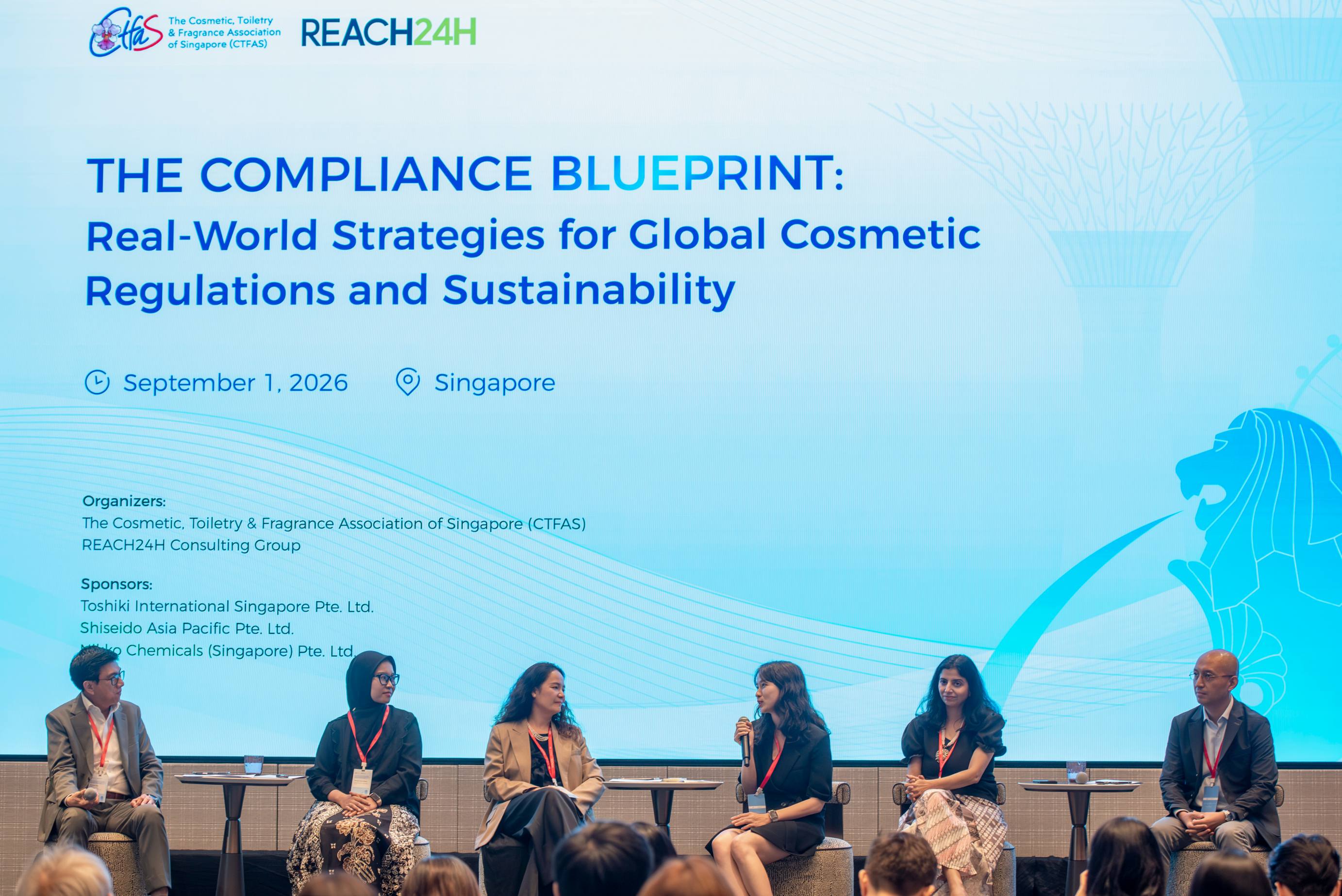
The forum concluded with a panel discussion featuring Andrew Gan, Pertiwi Putri Utami, Tran Thi Phuong Mai, Priyanka Bhat, Roy Lu and Crystal Yang, representing CTFAS, LPPOM, the ASEAN Cosmetic Association, L'Oréal, Shiseido Asia Pacific and REACH24H Consulting Group, respectively.
The panel explored the implications of Vietnam's evolving cosmetic regulations for foreign brands, the prospects for halal regulatory alignment among authorities in Singapore, Indonesia, Malaysia and Thailand. It also discussed the direction of China's cosmetic regulatory developments, their potential impact on businesses, and practical strategies for companies to respond to the changing regulatory environment. The panel further considered whether packaging and sustainability requirements similar to the EU Packaging and Packaging Waste Regulation (PPWR) may emerge in China and ASEAN.
The panellists further discussed what defines "functional cosmetics" and how such products should be distinguished through product classification, consumer claims and supporting evidence. The discussion highlighted the need to balance market innovation and consumer protection with clear regulatory boundaries and credible compliance evidence.

Building Regulatory Readiness
The forum reinforced that global regulatory readiness requires early planning, reliable evidence and coordinated action across regulatory affairs, R&D, procurement, quality, supply chain and marketing teams.
As cosmetics regulation becomes more risk-based, transparent and evidence-driven, companies that integrate regulatory intelligence and sustainability considerations throughout the product lifecycle will be better positioned to protect consumer safety, maintain market access and strengthen the resilience of their global operations.
The CTFAS & REACH24H Regulatory Forum 2026 provided a platform for regulatory exchange and industry dialogue, helping participants translate complex global developments into practical priorities for the cosmetics industry.
Recommended Reading
Indonesia Halal Certification Process: BPJPH Pathways and Compliance Priorities
Do Imported Cosmetics Need Animal Testing in China? 2026 Exemption Rules Explained
Official References
Singapore Health Sciences Authority: ASEAN Cosmetic Directive
Indonesia BPJPH: Cosmetics Must Be Halal-Certified by October 2026
China NMPA: Announcement on Cosmetic Registration and Notification Matters (2026 No. 70)
EUR-Lex: Commission Regulation (EU) 2023/1545 on Fragrance Allergen Labelling
EUR-Lex: Regulation (EU) 2025/40 on Packaging and Packaging Waste